Leather bags can be an important category for fashion retailers, accessory brands, importers and wholesale distributors. From women’s handbags and everyday shoulder bags to men’s work bags and travel styles, the right product range can help a business serve different customer needs.
However, successful wholesale sourcing requires more than finding attractive designs. Buyers need to understand material options, product specifications, supplier capabilities, branding requirements and the complete cost of placing an order.
Whether you are expanding an established catalogue or developing a new collection, this guide will help you approach wholesale leather bag sourcing more effectively.
1. Choose the Right Bag Styles for Your Market
The first step is to decide which products fit your target customers and sales channels.
Different bag styles serve different purposes:
-
Women’s handbags: Options for fashion retailers and accessory collections.
-
Tote bags: Practical styles for customers who need everyday carrying space.
-
Men’s work bags: Designs intended for office essentials, documents and daily commuting.
-
Travel bags: Products designed around the carrying needs of travellers.
-
Crossbody bags: Compact styles for hands-free everyday use.
-
Leather accessories: Coordinated products that can complement a wider bag collection.
You do not need to launch every category at once. Start with the styles that best match your customers, price range and available budget.
Research the designs, sizes and features your audience prefers. This will help you create a more focused product brief for prospective suppliers.
2. Understand the Material Before You Buy
The term leather bag covers products made from different materials and constructions. Material selection affects appearance, texture, cost, maintenance and the overall character of the finished product.
When evaluating a supplier’s offer, ask for the precise material description rather than relying on broad terms or product photographs.
Depending on the product, you may need to clarify:
-
The stated material type and grade
-
Surface finish, texture and colour
-
Thickness or other relevant material specifications
-
Lining material
-
Hardware and fastening components
-
Care and maintenance requirements
If your business requires a specific type of leather, state this clearly in the product brief. Request supporting material details where appropriate and confirm that the quotation matches your requirements.
Avoid comparing prices until you know whether the products being quoted use equivalent materials and specifications.
3. Check Construction and Functional Details
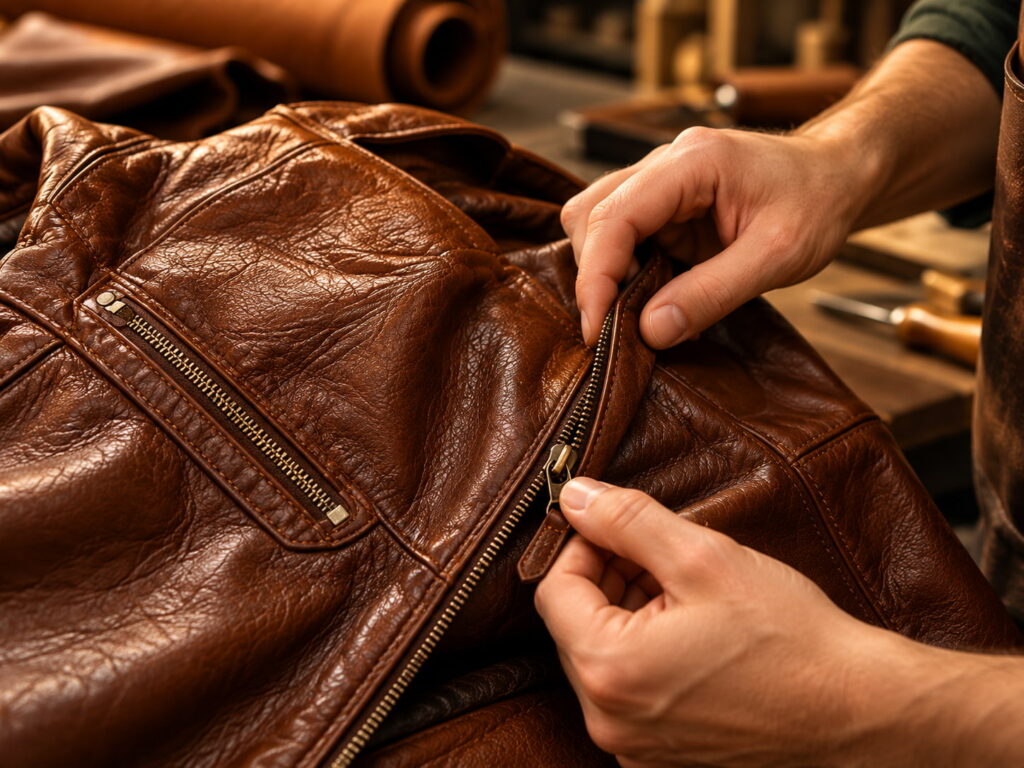
A bag’s design is only part of its suitability for your market. Buyers should also consider how the product is assembled and how its features meet the intended use.
Review details such as:
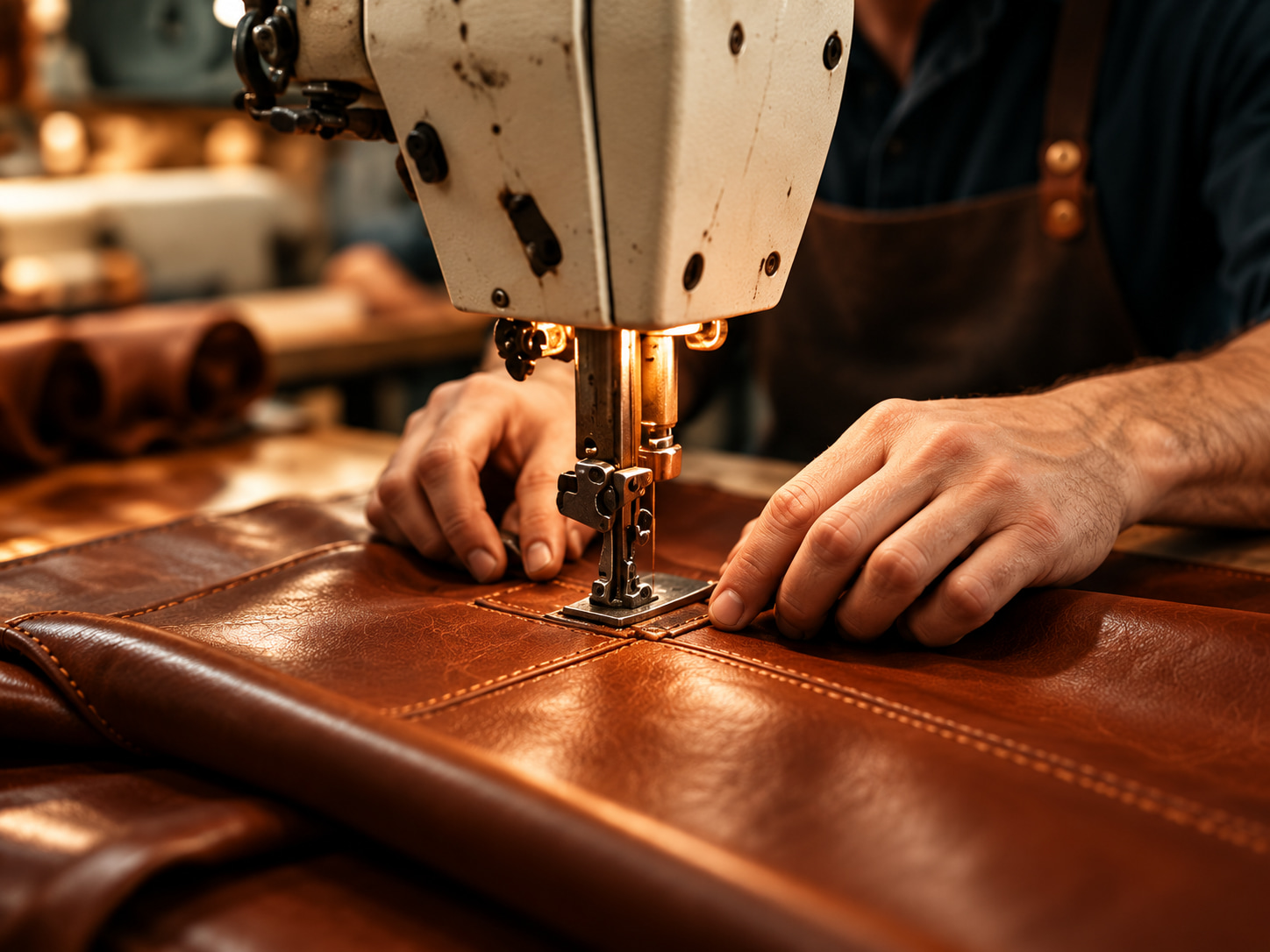
Stitching: Check consistency, placement and finishing.
Zippers and closures: Confirm the type of fastening and the required finish.
Handles and straps: Specify length, attachment style and adjustability where needed.
Compartments: Define the number, dimensions and intended purpose of internal and external pockets.
Dimensions: Confirm overall height, width and depth, including any important capacity requirements.
Lining and edges: Specify the desired material and finishing details.
For men’s work bags, for example, you may need to define space for documents or a laptop. For handbags, pocket layout, strap options and closure style may be more important.
Clear specifications help suppliers understand the product you actually want to purchase.
4. Compare Wholesale Leather Bag Suppliers
When comparing potential suppliers, look beyond the initial price.
A useful supplier evaluation should cover product suitability, communication, customisation options, sampling, order requirements and the clarity of the quotation.
Ask each supplier:
-
Can you source or develop this particular bag style?
-
Which material and colour options are available?
-
Can the product be customised with our branding?
-
Is a sample available before the bulk order?
-
What is the minimum order quantity for this design?
-
Which costs are included in the quotation?
-
What is the estimated timeline for sampling and fulfilment?
-
How are approved specifications documented?
These questions help you understand what each supplier can offer without assuming that every supplier has identical capabilities.
A detailed, written response is more useful than a general promise that a product can be supplied.
5. Request a Sample Before Confirming a Bulk Order
Where sampling is available, use it to check the actual product against your brief.
Inspect the material, dimensions, stitching, handles, straps, lining, hardware, compartments and overall finish. Compare the sample with any reference images or technical specifications you supplied.
If the product will carry your brand logo, review the branding placement and finish as well.
Record the approved details before authorising the bulk order. If any change is needed, make sure it is agreed in writing so there is a clear reference for the final product.
Sampling is particularly useful when introducing a new style or when a small design difference could affect how customers use the bag.
6. Consider Private Label and Custom Branding
Retailers and brand owners may want wholesale bags that carry their own brand identity.
Depending on the product and sourcing partner, available options may include logo embossing, printed branding, branded labels, hangtags, dust bags or customised packaging.
The available method depends on the material, design and supplier’s capabilities. Ask for confirmation before planning your packaging or marketing around a particular feature.
You should also clarify whether the branding setup has additional charges, minimum quantities or implications for the order timeline.
For businesses developing a collection, consistent logo placement and packaging can help create a more recognisable presentation across different products.
7. Calculate Your Total Order Cost
Before placing a wholesale order, calculate more than the cost per bag.
Your total budget may include:
-
Product cost
-
Sampling and development charges
-
Logo and branding costs
-
Packaging
-
Freight and insurance, where applicable
-
Customs duties and taxes
-
Other handling or import charges
The exact costs depend on the order specifications and destination. Request a detailed quotation that identifies the relevant charges and explains which items are excluded.
Then compare the estimated landed cost per unit with your intended selling price. Include room for business expenses, marketing, payment fees and potential returns when estimating your margin.
This helps you assess whether the order is commercially suitable before committing funds.
8. Plan Quantities and Inventory Carefully
A wholesale order should reflect expected demand, storage capacity and your ability to sell the products.
Consider your existing sales data, customer enquiries, seasonal demand and the number of designs or colours you want to introduce.
A wide range with small quantities of every variation may create a different inventory challenge from a focused order of a few core styles. Neither approach is universally correct; the best option depends on your market and budget.
Ask suppliers about minimum quantities for each style, colour and customisation option. Confirm whether quantities can be combined across variations rather than assuming they can.
If you are testing a new category, evaluate the available order options before deciding how much stock to purchase.
9. Prepare a Clear Wholesale Enquiry
A well-prepared enquiry helps a sourcing partner understand your requirements and respond with relevant information.
Include:
-
The bag style or reference image
-
Preferred material and colour
-
Dimensions and functional requirements
-
Branding and packaging preferences
-
Estimated quantity
-
Destination country
-
Any required delivery window
You can also identify which specifications are essential and which are flexible. This helps the sourcing process focus on practical options rather than unnecessary revisions.
At Loomhide, we help businesses coordinate product sourcing through manufacturing partners. Share your preferred bag styles, specifications and branding requirements to discuss available options for your business.