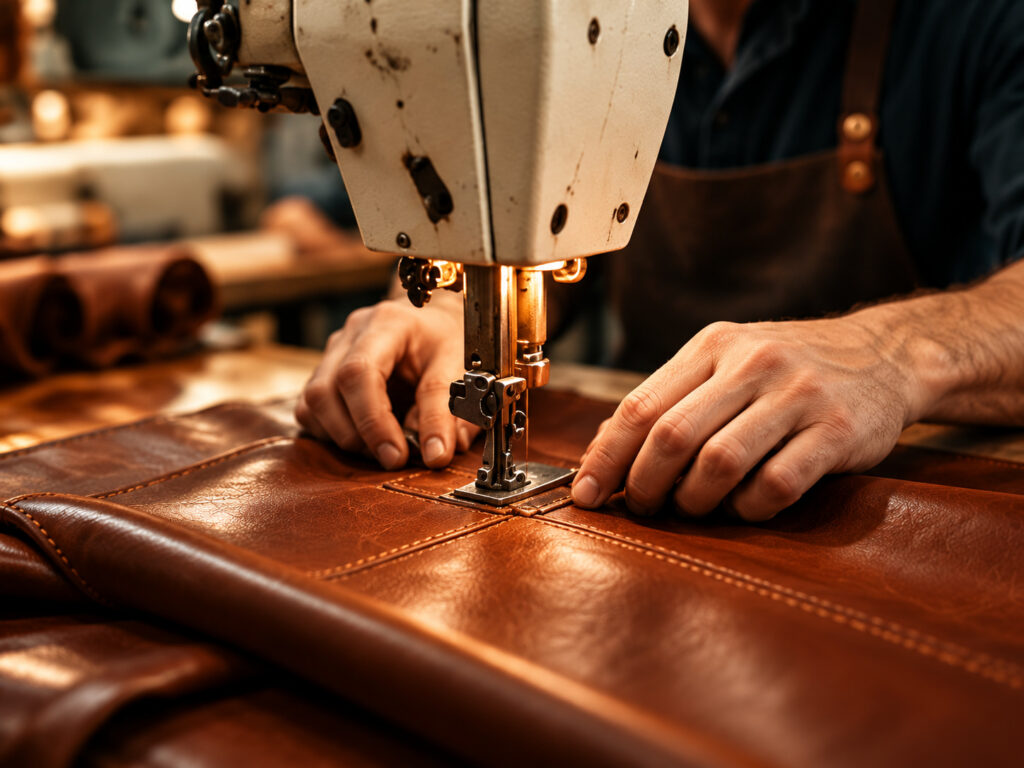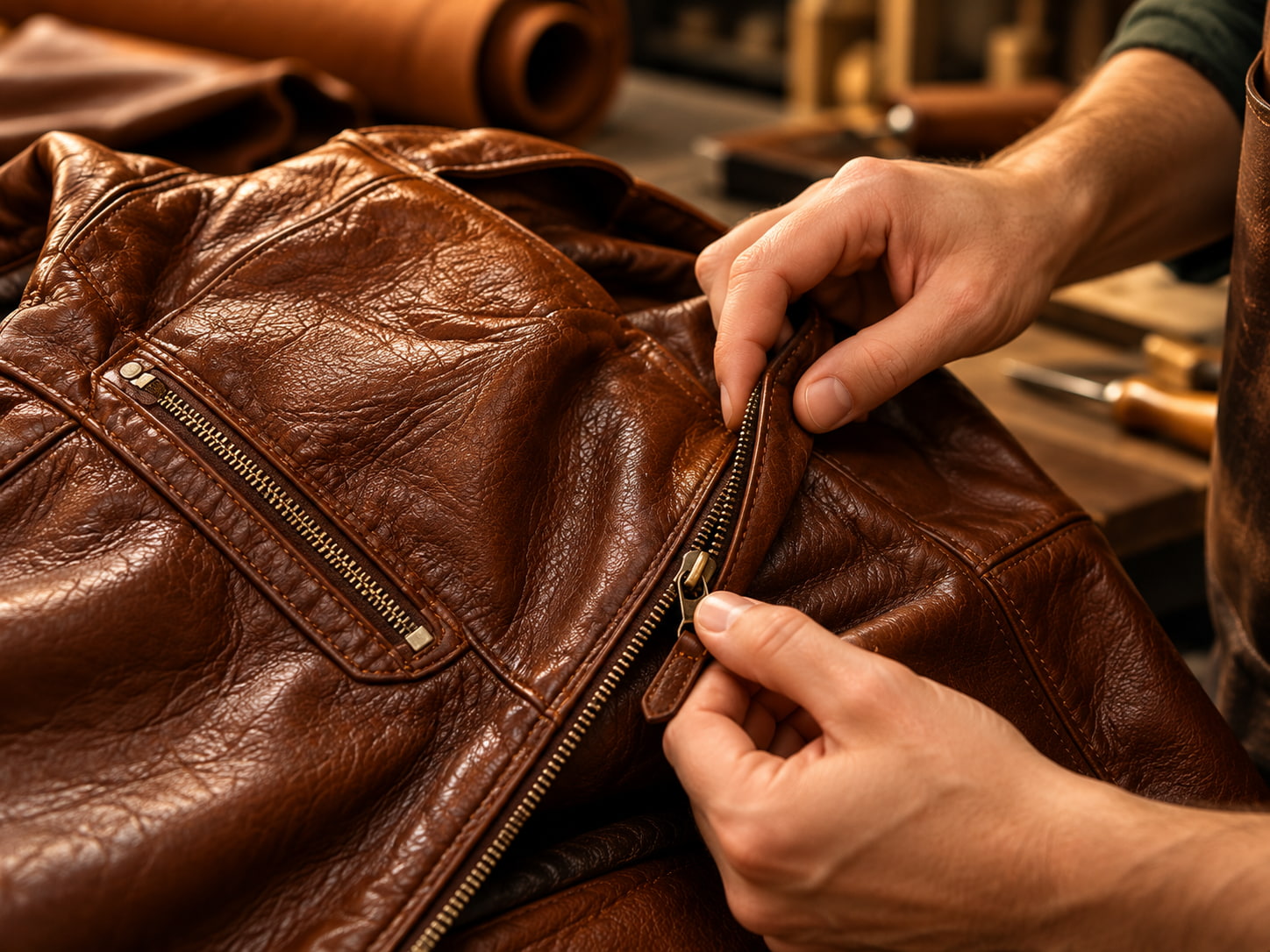
Launching a leather goods brand can be an opportunity for retailers, wholesalers and entrepreneurs who want to build a distinctive product range without managing every stage of production themselves. From handbags and wallets to men’s bags and leather jackets, private label products allow businesses to develop a collection under their own brand identity.
The key to a successful launch is not simply choosing an attractive product. It is finding the right sourcing partner, defining your product requirements, planning your branding and understanding the commercial details before placing a bulk order.
In this guide, we explain the essential steps to help you plan a private label leather goods collection.
1. Choose the Right Products for Your Target Market
Before contacting suppliers, identify the customers you want to serve. A leather collection designed for fashion retailers may require different styles and price points from one intended for corporate gifting or wholesale distribution.
Consider product categories such as:
- Leather handbags: Suitable for fashion retailers and accessory brands.
- Leather wallets: Compact products that can complement an existing accessories collection.
- Men’s leather bags: Options for office use, travel and everyday carry.
- Leather jackets: Apparel products for brands developing a leatherwear range.
- Small leather accessories: Additional products that may help create a coordinated collection.
Start with products that align with your existing customer base, selling channels and budget. A focused first collection can be easier to evaluate than launching too many unrelated products at once.
2. Define Your Product Specifications
A clear product brief helps suppliers understand exactly what you want to source. It also reduces confusion when comparing quotations from different partners.
Your brief should include:
- Product type and intended use
- Preferred material and material grade
- Dimensions, sizing and fit requirements
- Colour options and finishing details
- Hardware, zippers, stitching and other design features
- Packaging requirements
- Logo placement and branding method
- Estimated order quantity
If you have a reference image, sketch or technical specification sheet, include it with your enquiry. If some details are undecided, ask your sourcing partner which options are available before finalising the design.
3. Understand Private Label Branding
Private label products are developed or sourced for sale under your business’s brand rather than being sold exclusively under a supplier’s own label.
Depending on the product and supplier’s capabilities, branding options may include embossed or printed logos, branded labels, custom packaging, hangtags and other presentation details.
Before confirming an order, ask how your logo will appear on the finished product. Request confirmation of placement, dimensions, colour, finish and packaging so your brand presentation remains consistent.
Remember that not every branding method is suitable for every material or product design. Confirm the available options for the specific item you want to develop.
4. Evaluate Your Sourcing Partner Carefully
Choosing a sourcing partner is one of the most important decisions when launching a private label collection.
Rather than comparing suppliers on price alone, evaluate the information they provide about product specifications, customisation, sampling, quality checks and order coordination.
Ask potential partners:
- Can you work from our reference design or specifications?
- Which materials and customisation options are available?
- Can we review a sample before approving the bulk order?
- How will product specifications be checked against the approved sample?
- What are the minimum order requirements for each product?
- What are the estimated production and delivery timelines?
- Which costs are included in the quotation?
A reliable partner should explain the process clearly and identify any limitations before you commit to an order.
5. Approve a Sample Before Bulk Production
A product image can communicate the general appearance of a design, but it cannot show every detail of the finished item.
Where sampling is available, review the product’s dimensions, material, stitching, hardware, finishing, logo placement and overall construction. For leather apparel, fit and sizing also deserve careful attention.
Document the approved specifications and clarify how any changes will be handled. This creates a reference point for evaluating the bulk order.
6. Calculate the Full Cost of Your Order
The quoted product price is only one part of your total investment.
Your budget may also need to account for sampling, branding, packaging, freight, customs duties, taxes and other applicable charges. These costs depend on the order, product specifications, destination and shipping arrangement.
To estimate your potential margin, compare the complete landed cost per unit with your intended wholesale or retail selling price. Leave room for operating expenses, marketing, returns and other business costs.
Ask suppliers to separate product costs from additional charges wherever possible. A detailed quotation makes it easier to compare offers fairly.
7. Plan Your First Collection Around Demand
Before committing to a large order, consider which products your customers are most likely to buy. Review existing sales, customer feedback, competitor positioning and the price range your market accepts.
If you are testing a new category, ask about available order quantities and whether a smaller initial range is practical. Minimum order quantities vary by product, material, customisation and supplier, so confirm them directly rather than assuming a standard quantity.
Once you have sales data, you can use it to plan restocking, introduce new colours and expand the range more confidently.
8. Work With a Partner Who Understands Your Requirements
Building a private label leather goods brand involves more than finding a product. It requires clear communication, realistic specifications, appropriate sampling and a sourcing process that supports your business goals.
At Loomhide, we help businesses explore product sourcing and customisation options through manufacturing partners. Whether you are developing a new collection or sourcing products for an established wholesale business, the first step is to share your requirements clearly.
Discuss the product category, target market, preferred specifications, branding needs and estimated order quantity so the available options can be assessed.
Frequently Asked Questions
What products can be sold under a private label leather goods brand?
Depending on supplier capabilities, options may include handbags, wallets, men’s bags, leather jackets and other leather accessories. Confirm material and customisation availability for each product.
Do I need my own design to start a private label brand?
Not necessarily. You may begin with a reference product or an existing design that can be customised, subject to the supplier’s available options and applicable design rights.
What is the minimum order quantity for private label leather goods?
There is no universal minimum. It depends on the product, material, branding requirements and sourcing partner. Request a product-specific quotation before planning your budget.
Why should I request a sample?
A sample lets you review the product’s construction, material, dimensions and branding before approving the larger order.
Start Planning Your Private Label Collection
A well-planned private label collection begins with a clear product brief and a sourcing partner who understands your requirements. Focus on product suitability, transparent costing, sample approval and consistent specifications before moving into bulk purchasing.
Looking to source leather goods for your business? Contact Loomhide with your product ideas, branding requirements and estimated order quantity to discuss the available sourcing options.